
Case study
Aligning Infrastructure with the Gigabit Infrastructure Act – Dublin City Council
- Client
- Dublin City Council (DCC)
Novegen works with Dublin City Council’s Telecoms Unit to support the strategic alignment of the city’s telecommunications policies, procedures, and infrastructure management practices with the European Electronic Communications Code (EECC) and the Gigabit Infrastructure Act (GIA). This initiative was designed to enhance the city’s capacity to implement EU telecommunications legislation at the local level, facilitating the accelerated deployment of Very High-Capacity Networks (VHCN).
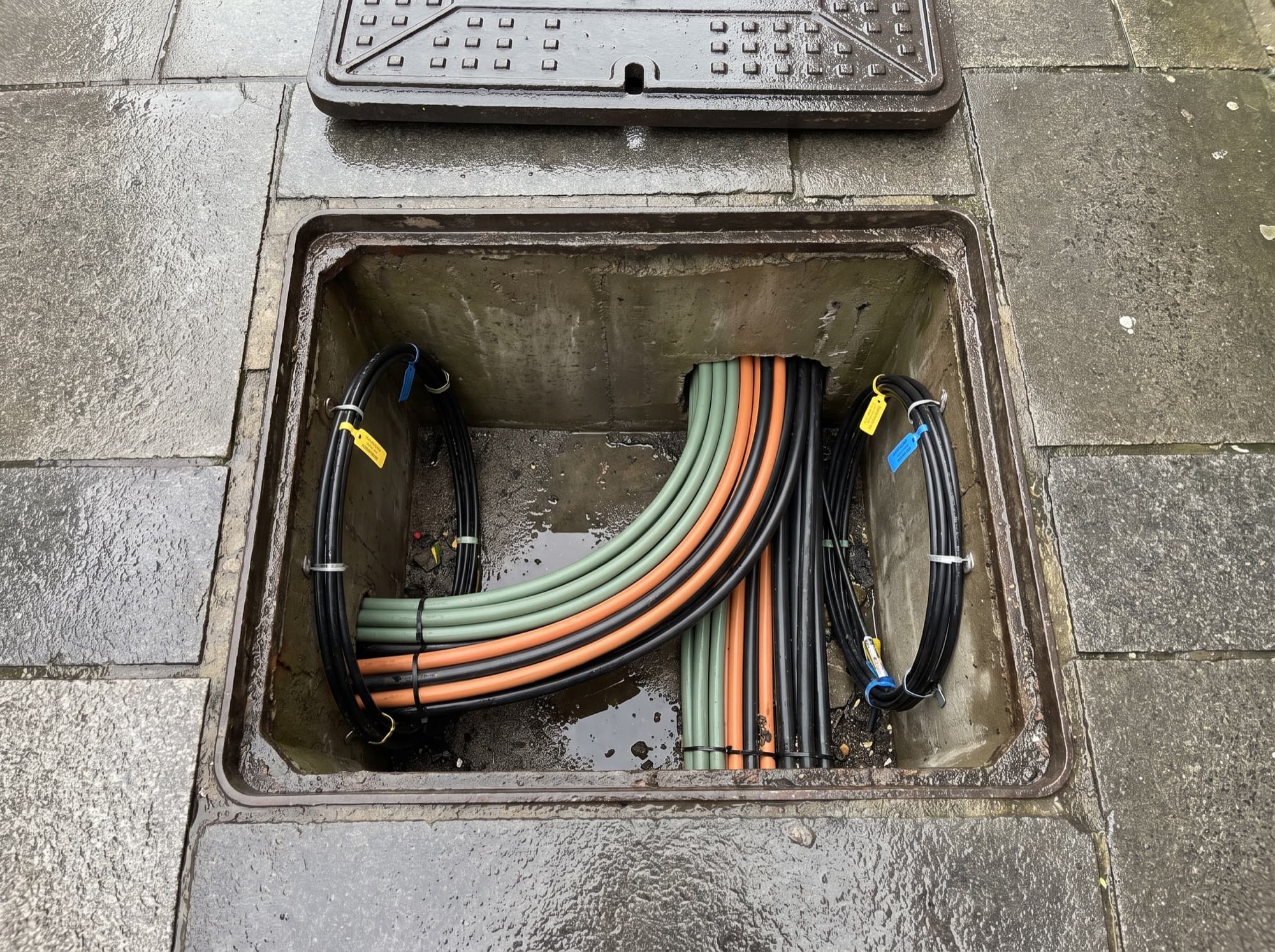
The Challenge
As European telecommunications regulations evolved, specifically with the introduction of the GIA, Dublin City Council needed a structured approach to transition from passive infrastructure ownership to active market enablement. The primary challenges included:
Regulatory Complexity
Navigating the alignment of local policies with complex EU legislative frameworks (EECC/GIA).
Market Transparency
Ensuring that public infrastructure was visible, accessible, and market-ready for telecommunications operators.
Infrastructure Consistency
Addressing the need for standardised design and deployment practices, particularly regarding new residential and mixed-use developments.
The Solution
Novegen acted as the technical and policy bridge, delivering practical implementation support through the following pillars:
Regulatory Assessment & Alignment
We conducted a comprehensive review of existing regulatory practices, providing actionable recommendations to integrate EU legislative requirements into DCC’s local operations.
Strategic Asset Management
Leveraging GIS (ArcGIS), we mapped all eligible council-owned infrastructure assets. We transformed these assets into a transparent, accessible inventory for the telecoms market.
Commercial Frameworks
We developed commercial models, standardised rate cards, and non-discriminatory access processes. This creates the predictable environment necessary for operators to invest confidently.
Policy Innovation
We authored the Guide for Telecom Infrastructure Rollout in New Developments. This framework was subsequently adopted as a mandatory planning condition, ensuring all new developments incorporate open-access fibre infrastructure.
Stakeholder Engagement
We facilitated workshops with telecom operators, developers, and contractors to ensure clear communication of obligations and opportunities under the new regulatory regime.
Key Outcomes
Regulatory Compliance
Successfully aligned DCC’s legal and administrative environment with the EECC and GIA requirements.
Planning Standardisation
Embedded mandatory connectivity standards, specifically the requirement for open-access fibre and a minimum of two fibres per dwelling, into DCC’s planning conditions as of April 2024.
Market-Ready Assets
Created a transparent, GIS-enabled infrastructure register that has streamlined operator access and reduced deployment barriers.
Operational Maturity
Provided the technical backbone that allowed DCC to manage complex network rollouts without increasing their internal administrative burden.
Conclusion
This project demonstrates Novegen’s unique ability to combine technical engineering expertise with high-level regulatory strategy. By acting as the “Telecoms Management Agent,” we enable local authorities like Dublin City Council to become a proactive partner in the digital economy, ensuring that connectivity goals are achieved in harmony with planning and regional development objectives.